Thursday, 8 March 2012
Main ya Tum
Ab sab kuchh tum Ho, aur sab kuchh tumse hai...
Subah ki dhoop ki garmi,
Drawing room ke neele parde se jhaankti hai,
Bistar tak aa kar, razai hata, chipak ke gale mil kar let jaati hai,
Wahan jahan tum so rahe the abhie.
Main samajh jaati hoon, tum abhie park me apne run ke liye gaye hoge.
Ab sab kuchh tum Ho, aur sab kuchh tumse hai...
Tum saath na Ho to daal feeki aur roti humesha kachhi hi lagti hai.
Par aaj, ab bhi bhook lag rahi hai.
Tumne lunch nahi kiya kya ab tak?
Chai bana doon?
Kabhi aaine se darti thi,
Aaj dopahar bhar baithi hoon,
Kai baar baal sawaare, shringar kiya, sindoor lagaya.
Tum jaldi ghar wapas aa rahe ho na?
Pata nahin aaj itni khush kyun hoon,
Tum yaad kar rahe Ho?
Ye muskuraahat bhi meri nahin, tumhaari hai.
Kal raat ko aise hi chale aaye the do aasoon,
Tum shayad udaas the?
Ek anjaana sa Dar tha, ya Koi bura sapna,
Chaha ki tumhare seene me chhup jaun,
Dekha to tum mere seene me sar rakh so rahe the.
Tum jaante Ho...
Ab sab kuchh tum Ho, aur sab kuchh tumse hai.

Saturday, 25 February 2012
unsought flowers
It was raining. The sky was grey and beautiful. But, it was raining flowers. Flowers of different colours, shapes and sizes. Gladiolus, Orchids, Primroses, Lavenders, Hyacinths, Bell Flowers, Bouvardias, Jasmines, Gerberas, Sweet Peas, Anemones, Magnolias, Gardenias, Irises, Pancies, Daisies, Poppies, Camelias and many many more. She was feeling them all in her face, in her hands and she cupped her hands to gather as much of the flowers as she could. It appeared to her that the clouds were smiling and occasionally laughing too.
The monotonous music of the alarm, woke her up from sleep and sadly from the dream as well. It was quarter past 8 and she had to rush to work. She was surprised to see her face in the mirror while brushing her teeth. For a moment, she thought she saw couple of flowers tumble down her long black tresses. She laughed at the thought and was concluded it must be the dream.
'Some dream!' She said to herself.
She loved to have a long hot shower in the morning. She would simply stand beneath the shower, hear the water drops fall on her shoulders and make noise as they came down on the floor. She closed her eyes today for sometime to hear them better. She was not absolutely sure but she could smell a familiar smell as she did that at the shower. She kept hey eyes closed and concentrated some more. It was the smell of flowers!
Some of which she saw in the dream. She again attributed it to the dream and came out and dressed up to go to work. She got in her car and put on her favorite music.
'May be I should get some flowers at last! They have been tempting me since early morning.' She thought and looked out to spot a vendor. There were many flower vendors near her place. She could recognise the flowers - if the Gladiolus have long stem, he would have got it from the small boy near the metro station. Purple Gladiolus were only found at the store near the market. Once she jokingly told him 'Are there only two clours of Gladiolus?' and he got her Gladiolus of seven colours. 'Your T Nagar only has five, I must tell you' he said while handing the flower bunch to her in front of her office next morning.
Gerberas were hard to tell, but if they were really big yellow ones, he would have got it from the shop near the police station. He never got her roses. None of them liked them. Orchids were found in the big flower store of 'Ferns and Petals' right under the flyover. He never told her where he got the exotic Magnolias and Poppies. She would conclude, he would have picked them somewhere else, may be near his office, on his way back.
But, today, she could not find a single shop open. She took another route, where she had seen some flower vendors. It was as if all the flower vendors were on strike. This route was bereft of any colour or fragrance of any flower. She was nearing her office and desperation bordering of despair. Finally she spotted one shop as she took the final turn for her office. But, the flowers were so dull and pitiable that she felt like crying.
She stopped her car a few yards before her office and cried. There was only his face, his hands and the many kinds of flowers that came to her mind at that moment. She finally wiped her tears and went in to her office.
She was back at home early. The few moments of longing, of memories, of flowers, of him stayed with her throughout the day. She tried to shuffle between watching TV, reading a book, making coffee to avoid those thoughts, but could not. She sat down in her sofa in the balcony, her face in her hands and looked at some Bouvardia flowers on the tree outside. She thought she heard her doorbell ring. She smiled and ignored it and kept looking into the blank spaces between the beautiful white flowers reflecting the moonlight.
The doorbell rang again after five minutes.
She ignored it again and kept looking at the moon, the tree and the flowers. After and hour, she had the urge to go to the door and check. She ran to the door and opened it. There was a note on the latch and there were a bunch of beautiful flowers of many colours, wrapped in a white foil and inserted carefully to the handle of the door from outside.
She opened the note "For Meera Nair. On Diwali, for your continued support. With Thanks - M/S Arun Industries'.Meera Nair, used to be her flat mate, who had left for the US couple of weeks back after marriage and used to place orders with Indian factories such as Arun Industries, on behalf of her clients.
She held the flowers close to her, slipped into her bed with them, closed her eyes. There was only his face which shone through the darkness.
A drop of tear found its way from her eyes to her lips, and she silently whispered 'Thank You!'.


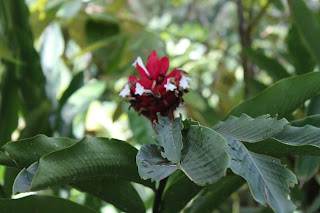


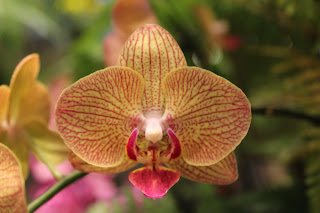


photographs (c) Parthajeet Das, Soumya Mohanty, 2012
The monotonous music of the alarm, woke her up from sleep and sadly from the dream as well. It was quarter past 8 and she had to rush to work. She was surprised to see her face in the mirror while brushing her teeth. For a moment, she thought she saw couple of flowers tumble down her long black tresses. She laughed at the thought and was concluded it must be the dream.
'Some dream!' She said to herself.
She loved to have a long hot shower in the morning. She would simply stand beneath the shower, hear the water drops fall on her shoulders and make noise as they came down on the floor. She closed her eyes today for sometime to hear them better. She was not absolutely sure but she could smell a familiar smell as she did that at the shower. She kept hey eyes closed and concentrated some more. It was the smell of flowers!
Some of which she saw in the dream. She again attributed it to the dream and came out and dressed up to go to work. She got in her car and put on her favorite music.
'May be I should get some flowers at last! They have been tempting me since early morning.' She thought and looked out to spot a vendor. There were many flower vendors near her place. She could recognise the flowers - if the Gladiolus have long stem, he would have got it from the small boy near the metro station. Purple Gladiolus were only found at the store near the market. Once she jokingly told him 'Are there only two clours of Gladiolus?' and he got her Gladiolus of seven colours. 'Your T Nagar only has five, I must tell you' he said while handing the flower bunch to her in front of her office next morning.
Gerberas were hard to tell, but if they were really big yellow ones, he would have got it from the shop near the police station. He never got her roses. None of them liked them. Orchids were found in the big flower store of 'Ferns and Petals' right under the flyover. He never told her where he got the exotic Magnolias and Poppies. She would conclude, he would have picked them somewhere else, may be near his office, on his way back.
But, today, she could not find a single shop open. She took another route, where she had seen some flower vendors. It was as if all the flower vendors were on strike. This route was bereft of any colour or fragrance of any flower. She was nearing her office and desperation bordering of despair. Finally she spotted one shop as she took the final turn for her office. But, the flowers were so dull and pitiable that she felt like crying.
She stopped her car a few yards before her office and cried. There was only his face, his hands and the many kinds of flowers that came to her mind at that moment. She finally wiped her tears and went in to her office.
She was back at home early. The few moments of longing, of memories, of flowers, of him stayed with her throughout the day. She tried to shuffle between watching TV, reading a book, making coffee to avoid those thoughts, but could not. She sat down in her sofa in the balcony, her face in her hands and looked at some Bouvardia flowers on the tree outside. She thought she heard her doorbell ring. She smiled and ignored it and kept looking into the blank spaces between the beautiful white flowers reflecting the moonlight.
The doorbell rang again after five minutes.
She ignored it again and kept looking at the moon, the tree and the flowers. After and hour, she had the urge to go to the door and check. She ran to the door and opened it. There was a note on the latch and there were a bunch of beautiful flowers of many colours, wrapped in a white foil and inserted carefully to the handle of the door from outside.
She opened the note "For Meera Nair. On Diwali, for your continued support. With Thanks - M/S Arun Industries'.Meera Nair, used to be her flat mate, who had left for the US couple of weeks back after marriage and used to place orders with Indian factories such as Arun Industries, on behalf of her clients.
She held the flowers close to her, slipped into her bed with them, closed her eyes. There was only his face which shone through the darkness.
A drop of tear found its way from her eyes to her lips, and she silently whispered 'Thank You!'.


photographs (c) Parthajeet Das, Soumya Mohanty, 2012
Friday, 24 February 2012
Sleeping humming bird
It is morning again, I say,
Look at the bright and fast day,
The city is moving in the roads,
And destiny is working its destined way.
A tired humming bird returns to its nest,
On the bosom of the horizon,
A fatigue-worn red sun takes rest,
Like a baby, innocent and mildly vulnerable,
You gently sink into my chest.
Untouched by the city and its ways,
A benign smile and breathing at calm pace,
Wrapped like a gift in purple blanket,
You sleep besides me and my life finds an humble base!
Look at the bright and fast day,
The city is moving in the roads,
And destiny is working its destined way.
A tired humming bird returns to its nest,
On the bosom of the horizon,
A fatigue-worn red sun takes rest,
Like a baby, innocent and mildly vulnerable,
You gently sink into my chest.
Untouched by the city and its ways,
A benign smile and breathing at calm pace,
Wrapped like a gift in purple blanket,
You sleep besides me and my life finds an humble base!
Tuesday, 24 January 2012
khaab
Raat bhar ek khaab ban leti rahi mere sirhaane;
Tamaam tare aasman ka aangan chhod kamre ki chhat se use dekhte rahe;
Chaand naraz tha, dekho kahin muh chuupa baitha hoga, kisi daryia ke kinaare.
Phoolon me ras bhi na pada aaj, uske surkh hoton me ghul rahe the jaane kitne hi rang.
Shabnam ki boondein, uske maathe ke paseene bane hue the, nanhi kopalon ne subeh shikayat ki.
Pahadi ki nadi bhi raat ko taaron ki madham roshni me uske laton ka naksha utara,
'hum bhi aise hi lehrana chahti hain, behna chahti hain, ulajhna chahti hain!'
Par neend ke khulte hi, khaab aur uska na hona bhi lazmi tha!
Tamaam tare aasman ka aangan chhod kamre ki chhat se use dekhte rahe;
Chaand naraz tha, dekho kahin muh chuupa baitha hoga, kisi daryia ke kinaare.
Phoolon me ras bhi na pada aaj, uske surkh hoton me ghul rahe the jaane kitne hi rang.
Shabnam ki boondein, uske maathe ke paseene bane hue the, nanhi kopalon ne subeh shikayat ki.
Pahadi ki nadi bhi raat ko taaron ki madham roshni me uske laton ka naksha utara,
'hum bhi aise hi lehrana chahti hain, behna chahti hain, ulajhna chahti hain!'
Par neend ke khulte hi, khaab aur uska na hona bhi lazmi tha!
Monday, 9 January 2012
Janani - The Mother
It is hard to write an article or a post which is based on a true incident and have calculated reactions. It is harder if you know the people involved, both the affected and the effectors. Names and relationship do no matter, as it could be anyone, any woman, any family, in any remove village (there are quite a few of them) in Uttar Pradesh, which is the 7th largest country in the world by population.
The incident is not unique or 'urgent' or 'disturbing' by our Indian and specifically, Indian government standards.
A mother died during child-birth. The reactions are followed by facts which every academician and practitioner quote with immaculate accuracy but disappointing ineffectiveness.
'So many of them (mothers) die'
Around 300 on average out of 100,000 live child births across India and more than 500 in UP.
'Oh! The child is okay but, na?'
60 die per 1000 live births in India and 99 of them do in UP.
'Where was she born?' 'Arre baba, not the mother, the child!'
Only 22 out of 100 child births happen at a medical institution
'Did she receive any medical care?' ' There must be a Sub-Centre with an ANM or at least an Aanganwadi Centre'
26% of women receive proper Antenatal Care (3ANC visits) - % of women who received 3 ANC visits.
'We have Janani Surakhsya Yojana' (thank god it is not called Jawahar, Rajeev, Sanjay or Rahul Yojana, else, I would have had to choose a different title!)
The central and state government under this scheme pay for the expenses of an institutional delivery and pre-and post-check-ups. It is probably largest conditional cash transfer scheme in the world. Many surveys and audits, done by international and local consulting/research companies and NGOs (Hundreds of Thousands of rupees would have been spent by the World Banks and iNGOs (look at the Apple style nomenclature of international NGOs!) claim success.
Now, back to the incident.
The woman was not well for 6-7 days before the date of child birth. The only medical facility in the village is a Sub-Centre. Wait. The building of the Sub-Centre. There is no staff.
There is an Aanganwadi centre with a worker. She gave 'some' medicines to the woman, with no signs of improvement. Nothing else was done as well.
So, on the day of the birth, matters got complicated.
They finally decided to take her to the district hospital at Barailey. This distance of 30 kms takes one and half hours! This is another aspect.
Many state governments have Janani Express Yojana. The mother is reimbursed the cost of transport for institutional delivery. But, what can you do about the roads.
I was advising the state government of UP, not so long back on two such projects.
1. Mobile medical units (to make health care reach remote locations)
2. Emergency Medical Services (to tackle situations such as mentioned)
We were aware of situations where it could take 90 minutes to cover 30 kms. We ideated, planned and recommended many suggestions. Some were implementable, some were not. It has been more than 4 years. Nothing has happened on those projects.
Continuing the narration, the woman died on the road. The child was born healthy, almost healthy. The child was a girl. She would be a mother, if she survives i.e. I do not want to put facts and figures about child mortality, immunisation coverage, nutrition etc. but you get the idea.
A faint hope is that things would have improved by the time this small girl becomes mother.
ps. Incidental to this is the fact that Barielly is the constitution of Sonia Gandhi, The Sonia Gandhi, the single most powerful person in this country.
The incident is not unique or 'urgent' or 'disturbing' by our Indian and specifically, Indian government standards.
A mother died during child-birth. The reactions are followed by facts which every academician and practitioner quote with immaculate accuracy but disappointing ineffectiveness.
'So many of them (mothers) die'
Around 300 on average out of 100,000 live child births across India and more than 500 in UP.
'Oh! The child is okay but, na?'
60 die per 1000 live births in India and 99 of them do in UP.
'Where was she born?' 'Arre baba, not the mother, the child!'
Only 22 out of 100 child births happen at a medical institution
'Did she receive any medical care?' ' There must be a Sub-Centre with an ANM or at least an Aanganwadi Centre'
26% of women receive proper Antenatal Care (3ANC visits) - % of women who received 3 ANC visits.
'We have Janani Surakhsya Yojana' (thank god it is not called Jawahar, Rajeev, Sanjay or Rahul Yojana, else, I would have had to choose a different title!)
The central and state government under this scheme pay for the expenses of an institutional delivery and pre-and post-check-ups. It is probably largest conditional cash transfer scheme in the world. Many surveys and audits, done by international and local consulting/research companies and NGOs (Hundreds of Thousands of rupees would have been spent by the World Banks and iNGOs (look at the Apple style nomenclature of international NGOs!) claim success.
Now, back to the incident.
The woman was not well for 6-7 days before the date of child birth. The only medical facility in the village is a Sub-Centre. Wait. The building of the Sub-Centre. There is no staff.
There is an Aanganwadi centre with a worker. She gave 'some' medicines to the woman, with no signs of improvement. Nothing else was done as well.
So, on the day of the birth, matters got complicated.
They finally decided to take her to the district hospital at Barailey. This distance of 30 kms takes one and half hours! This is another aspect.
Many state governments have Janani Express Yojana. The mother is reimbursed the cost of transport for institutional delivery. But, what can you do about the roads.
I was advising the state government of UP, not so long back on two such projects.
1. Mobile medical units (to make health care reach remote locations)
2. Emergency Medical Services (to tackle situations such as mentioned)
We were aware of situations where it could take 90 minutes to cover 30 kms. We ideated, planned and recommended many suggestions. Some were implementable, some were not. It has been more than 4 years. Nothing has happened on those projects.
Continuing the narration, the woman died on the road. The child was born healthy, almost healthy. The child was a girl. She would be a mother, if she survives i.e. I do not want to put facts and figures about child mortality, immunisation coverage, nutrition etc. but you get the idea.
A faint hope is that things would have improved by the time this small girl becomes mother.
ps. Incidental to this is the fact that Barielly is the constitution of Sonia Gandhi, The Sonia Gandhi, the single most powerful person in this country.
Thursday, 5 January 2012
weekend
dedicated to the inverted ratio of 2:5
-------
friday ke 4 baj te hi,
hoton se hafte bhar gayab
haasi ka wapas aana,
doston ke numbers
jo 'last dialled calls'
se gayab se hone lage the,
unhe phir se dial karna.
newspaper ke safhe palat palat kar
stock prices aur headlines ke badle
theatre, music aur art galleries
ke events check karna,
chun ke kapde almari se bahar nikaal na,
long walks pe jana,
early mornings uth na, (early can be swapped with late!!)
jam ke khana and wine peena,
tera weekend ki tarah aana,
aur aakar chale jaana.
kya bura hota agar
tu aur weekend, dono reh jaate!
.
-------
friday ke 4 baj te hi,
hoton se hafte bhar gayab
haasi ka wapas aana,
doston ke numbers
jo 'last dialled calls'
se gayab se hone lage the,
unhe phir se dial karna.
newspaper ke safhe palat palat kar
stock prices aur headlines ke badle
theatre, music aur art galleries
ke events check karna,
chun ke kapde almari se bahar nikaal na,
long walks pe jana,
early mornings uth na, (early can be swapped with late!!)
jam ke khana and wine peena,
tera weekend ki tarah aana,
aur aakar chale jaana.
kya bura hota agar
tu aur weekend, dono reh jaate!
.
Tuesday, 27 December 2011
Bade Ho Kay kya Banoge?
Khudi to thi humaare paas,
Par Khud ko kabhi banaya na tha.
Papa fakr se kehte
'Aji..humaara ladka to 'Ye' banega!'
Aur 'Ye' waqt ke saath badal ta raha.
'Jo bhi ban..par ek accha insaan ban'
Maa kehti.
'Mere fancy dress competition me
Mujhe ek gadha chahiye, aap banoge?'
Behan ne laad se poochha ek din.
Teachers akad te
'Student ho...
student hi ban ke raho'
'Abe O...Itna mat ban'
Dost log naraaz hote to kehte.
Theatre ke director to
Har rehearsal se pehle poochhte
'Is baar kya ban ne wale ho?'
Naam ke aage peeche
Chand Akshar jode,
Graduate Bane,
Post-Graduate bhi bane...
Phir naukri karne lage,
To naukar bhi bane!
Tum ne us raat, jab dheere se
Sehmi aakhon se poochha,
'Tum mere ban ke rahoge na?'
Mano is ban ne, bana ne
Ke udhed-bun se chhoota,
Tumse kuchh kaha nahin tha maine tab,
'Haan, yahi ban ke rahunga'
Par Khud ko kabhi banaya na tha.
Papa fakr se kehte
'Aji..humaara ladka to 'Ye' banega!'
Aur 'Ye' waqt ke saath badal ta raha.
'Jo bhi ban..par ek accha insaan ban'
Maa kehti.
'Mere fancy dress competition me
Mujhe ek gadha chahiye, aap banoge?'
Behan ne laad se poochha ek din.
Teachers akad te
'Student ho...
student hi ban ke raho'
'Abe O...Itna mat ban'
Dost log naraaz hote to kehte.
Theatre ke director to
Har rehearsal se pehle poochhte
'Is baar kya ban ne wale ho?'
Naam ke aage peeche
Chand Akshar jode,
Graduate Bane,
Post-Graduate bhi bane...
Phir naukri karne lage,
To naukar bhi bane!
Tum ne us raat, jab dheere se
Sehmi aakhon se poochha,
'Tum mere ban ke rahoge na?'
Mano is ban ne, bana ne
Ke udhed-bun se chhoota,
Tumse kuchh kaha nahin tha maine tab,
'Haan, yahi ban ke rahunga'
Monday, 19 December 2011
Transformation
Transformation: Is it a process of evolution, a strategy to grow, an em-betterment, an improvement on the past ? It could be, but most importantly, it is not a matter of choice, it is something we all have to go through, whether we want it or not, whether we are aware of it or not, whether we are currently ready for it or not, it is a process that happens by itself but sometimes it is even a matter of survival.
There is no option but to shed the scales of past and crawl out of it, no matter how painful or long the process might be, how much unfriendly the environment be, how much the odds be stacked against; into a new beginning. The process eventually opens up new realities and makes newer dreams and brighter hopes possible. Could the caterpillar ever dream of flying in the open air, without the process of transformation, without the wonderful wings of a beautiful butterfly?
Transformation is essential, and hence the environment that incubates transformation becomes critical.
The whole effort behind "Love...one another" is to create an environment conducive and as helpful as possible for that transformation to take place. To put many signboards that would help the builders, the planners, the observers and anyone willing in any way, to find their respective ways to create such a large pool where thousands of caterpillars would find the right impetus to turn into butterflies and get their rightful wings to soar in the skies, at their own will.
I have a similar story to share. This one is not spectacular, may not have the anticipated climax, no miraculous results could be shared and no exaggerations will be made.
Me and a group of friends visited Pravartak Sangha - a home for mentally challenged orphans in Salt Lake, Kolkata. How we found out about this organisation and started our relationship is a story of chance and persistence. I walked back to my home in Salt Lake after work everyday, and my route used to generally depend on the odd vegetables to be carried home or the sudden pangs of hunger that had to be met. That day, I took another route without any particular reason. The dimly lit signboard of the institution caught my eye. I had been working with special kids for over two years now, but had not been very active in the City of JOY.
'Should I go in?'
'This place looks closed; there is something in the air that suggests that casual visitors are not welcome here'
This hunch was proved right in the next hour of struggle and persistence to speak to the manager/owner of the place. The gates were barbed, locked and guarded. But, with little courage and lots of hope, I managed to sneak in and even though I was not welcome, I managed to convince the manager and his stout wife that I could come again with friends and do a useful programme with them.
'Theek acche, aapni aaasun...letter niye asben' their tone was a mixture of sarcasm and disinterest. I had been in similar situations in Bhubaneswar before.
The voice of the principal of a special school in Bhubaneswar rang in my ears.
'Na, Na, Na...mu kahili para Na' which in means 'No, No, No..I said No'.
This was her determined reply on the last day before an event very close to my heart 'Know your special friend' in which we paired up special kids with "normal" kids to create a painting together. An event we conducted in 33 cities.
That principal was to send a the largest contingent of special kids to our event - 30 in all.
So, with that faith, I started to plan for the first and may be the most important visit. Winning the trust of these inmates, who not only had no parents or siblings, but also, were not looked after in the best way, the most important task.
(Authors personal note: I would though apologise for making a statement like that without having run an institution. I am aware that this is almost a blasphemy on the part of a arm-chair consultant like me and could appear as criticism, but the idea is to only highlight that there was lot of scope for improvement)
I spoke to Diana, the founder of Chrysallis and my guru in this field. She has taught me how to work with special kids, how to have faith despite odds, how never to loose heart if you are alone and the spirit of volunteerism, above all. I chose a few volunteers to help me: the odd colleague who would become a friend now, the friends who would become family and the strangers who would become friends.
None of them had any experience of working with special kids and as with most sessions that we do with kids, I did a dry run with the volunteers, which most of them attended.
So, we reached there with a laptop, a small sound system, some sweets but no letter. But, we were allowed in. They thought we got some sweets, food etc. which would be distributed and then we would leave with some smiles and tears. To their surprise, we set up our laptop, music system, inserted the CD and asked them all to come in one room. The helpers and others were not very happy with our simplest of demands - get all the kids, get them in a line, ask them to be quiet, don't give them anything to eat now. Our volunteers were struggling and juggling a variety of emotions - love, compassion, pity, anger, frustration, fear and insecurity. I did not intervene then but I knew when to be firm.
The hall was set. 10 kids each in 4-5 rows. The music was on and so was the conundrum and utter confusion of all concerned. It took 10 minutes, some help from volunteers and my loud voice to finally get some semblance of the co-ordinated movements which Diana had asked me to do with the children. I had no idea how they worked, but I trusted Diana and continued the steps for 30 minutes.
The helpers and other people of the orphanage were curious but not sure of what we were trying to do. The volunteers had no idea either, they just had trust in me. I acted well to show that I know what I was doing. Ha!
Then, sweets were distributed and we all returned with promise to come again. We all had a chat in an adjacent park to chalk out our plans. I knew by then which volunteers I could count upon to come again.
I gave some feedback to some of the volunteers:
'dont cry in front of kids',
'dont be too lenient with them',
'we have to make them independent not dependant'
'never, ever have or show sympathy or pity'
'we are here for our own joy above all, no help to anyone but ourselves'
I went back home, tired, exhausted, with a hoarse voice, but a moist and happy heart.
We would continue to go to the Sangha at regular intervals of a 7-8 days.
Diana's visit after a month acted like magic for children and a training session for us. Diana repeated all those 'isms which I had ranted with the volunteers.
We continued our visits and sessions.
Many things were added, the odd gifts we would get for the kids, the prayer 'bhabasagara tarana karana he' which we would sing together on many evenings, the snacks that would be shared, the festivals that were celebrated together and the relationships built.
We was 'kaku', 'didi', 'dada', 'police', 'hero', 'heroine' and many more things.
But, what we started to notice after two-three months in most children was a transformation. A slow, tentative and vulnerable one. The children were using their bodies in a more better and confident manner, they were able to understand instructions, follow them and co-ordinate their actions with their friends. There was joy in what they were doing, they looked forward to these sessions and asked us to come more frequently.
Some of their hopes were met, some did not.
'You promised Kaku, you will take me to my village. You will take me this time no?'
'I want this bag' pointing to the laptop bag.
'I want to go to city, we are not allowed to go anywhere'
We could not do anything about these. But, what we could do, we did, slowly and ever-so surely.
Transformation, is a process, not a destination. I had to leave Kolkata to work at Mumbai. I urged the volunteers that we must continue. I knew, it would not, not in the same fervour. I thought of the hitherto unknown kids in Mumbai, who will give me a chance to work with them. I thought of the new set of volunteers, strangers who would work with these children in future. Some other kind of transformation would take place, I was hopeful. The agent is not important, the process is!!
A few years later, I am hopeful, that the board of Pravartaka Sangha is brighter, a volunteer more determined, a set of friends more frequent, the children much more independent, the workers much more cheerful, the owner much more resourceful and the transformation much more spectacular.
I sincerely hope.
There is no option but to shed the scales of past and crawl out of it, no matter how painful or long the process might be, how much unfriendly the environment be, how much the odds be stacked against; into a new beginning. The process eventually opens up new realities and makes newer dreams and brighter hopes possible. Could the caterpillar ever dream of flying in the open air, without the process of transformation, without the wonderful wings of a beautiful butterfly?
Transformation is essential, and hence the environment that incubates transformation becomes critical.
The whole effort behind "Love...one another" is to create an environment conducive and as helpful as possible for that transformation to take place. To put many signboards that would help the builders, the planners, the observers and anyone willing in any way, to find their respective ways to create such a large pool where thousands of caterpillars would find the right impetus to turn into butterflies and get their rightful wings to soar in the skies, at their own will.
I have a similar story to share. This one is not spectacular, may not have the anticipated climax, no miraculous results could be shared and no exaggerations will be made.
Me and a group of friends visited Pravartak Sangha - a home for mentally challenged orphans in Salt Lake, Kolkata. How we found out about this organisation and started our relationship is a story of chance and persistence. I walked back to my home in Salt Lake after work everyday, and my route used to generally depend on the odd vegetables to be carried home or the sudden pangs of hunger that had to be met. That day, I took another route without any particular reason. The dimly lit signboard of the institution caught my eye. I had been working with special kids for over two years now, but had not been very active in the City of JOY.
'Should I go in?'
'This place looks closed; there is something in the air that suggests that casual visitors are not welcome here'
This hunch was proved right in the next hour of struggle and persistence to speak to the manager/owner of the place. The gates were barbed, locked and guarded. But, with little courage and lots of hope, I managed to sneak in and even though I was not welcome, I managed to convince the manager and his stout wife that I could come again with friends and do a useful programme with them.
'Theek acche, aapni aaasun...letter niye asben' their tone was a mixture of sarcasm and disinterest. I had been in similar situations in Bhubaneswar before.
The voice of the principal of a special school in Bhubaneswar rang in my ears.
'Na, Na, Na...mu kahili para Na' which in means 'No, No, No..I said No'.
This was her determined reply on the last day before an event very close to my heart 'Know your special friend' in which we paired up special kids with "normal" kids to create a painting together. An event we conducted in 33 cities.
That principal was to send a the largest contingent of special kids to our event - 30 in all.
So, with that faith, I started to plan for the first and may be the most important visit. Winning the trust of these inmates, who not only had no parents or siblings, but also, were not looked after in the best way, the most important task.
(Authors personal note: I would though apologise for making a statement like that without having run an institution. I am aware that this is almost a blasphemy on the part of a arm-chair consultant like me and could appear as criticism, but the idea is to only highlight that there was lot of scope for improvement)
I spoke to Diana, the founder of Chrysallis and my guru in this field. She has taught me how to work with special kids, how to have faith despite odds, how never to loose heart if you are alone and the spirit of volunteerism, above all. I chose a few volunteers to help me: the odd colleague who would become a friend now, the friends who would become family and the strangers who would become friends.
None of them had any experience of working with special kids and as with most sessions that we do with kids, I did a dry run with the volunteers, which most of them attended.
So, we reached there with a laptop, a small sound system, some sweets but no letter. But, we were allowed in. They thought we got some sweets, food etc. which would be distributed and then we would leave with some smiles and tears. To their surprise, we set up our laptop, music system, inserted the CD and asked them all to come in one room. The helpers and others were not very happy with our simplest of demands - get all the kids, get them in a line, ask them to be quiet, don't give them anything to eat now. Our volunteers were struggling and juggling a variety of emotions - love, compassion, pity, anger, frustration, fear and insecurity. I did not intervene then but I knew when to be firm.
The hall was set. 10 kids each in 4-5 rows. The music was on and so was the conundrum and utter confusion of all concerned. It took 10 minutes, some help from volunteers and my loud voice to finally get some semblance of the co-ordinated movements which Diana had asked me to do with the children. I had no idea how they worked, but I trusted Diana and continued the steps for 30 minutes.
The helpers and other people of the orphanage were curious but not sure of what we were trying to do. The volunteers had no idea either, they just had trust in me. I acted well to show that I know what I was doing. Ha!
Then, sweets were distributed and we all returned with promise to come again. We all had a chat in an adjacent park to chalk out our plans. I knew by then which volunteers I could count upon to come again.
I gave some feedback to some of the volunteers:
'dont cry in front of kids',
'dont be too lenient with them',
'we have to make them independent not dependant'
'never, ever have or show sympathy or pity'
'we are here for our own joy above all, no help to anyone but ourselves'
I went back home, tired, exhausted, with a hoarse voice, but a moist and happy heart.
We would continue to go to the Sangha at regular intervals of a 7-8 days.
Diana's visit after a month acted like magic for children and a training session for us. Diana repeated all those 'isms which I had ranted with the volunteers.
We continued our visits and sessions.
Many things were added, the odd gifts we would get for the kids, the prayer 'bhabasagara tarana karana he' which we would sing together on many evenings, the snacks that would be shared, the festivals that were celebrated together and the relationships built.
We was 'kaku', 'didi', 'dada', 'police', 'hero', 'heroine' and many more things.
But, what we started to notice after two-three months in most children was a transformation. A slow, tentative and vulnerable one. The children were using their bodies in a more better and confident manner, they were able to understand instructions, follow them and co-ordinate their actions with their friends. There was joy in what they were doing, they looked forward to these sessions and asked us to come more frequently.
Some of their hopes were met, some did not.
'You promised Kaku, you will take me to my village. You will take me this time no?'
'I want this bag' pointing to the laptop bag.
'I want to go to city, we are not allowed to go anywhere'
We could not do anything about these. But, what we could do, we did, slowly and ever-so surely.
Transformation, is a process, not a destination. I had to leave Kolkata to work at Mumbai. I urged the volunteers that we must continue. I knew, it would not, not in the same fervour. I thought of the hitherto unknown kids in Mumbai, who will give me a chance to work with them. I thought of the new set of volunteers, strangers who would work with these children in future. Some other kind of transformation would take place, I was hopeful. The agent is not important, the process is!!
A few years later, I am hopeful, that the board of Pravartaka Sangha is brighter, a volunteer more determined, a set of friends more frequent, the children much more independent, the workers much more cheerful, the owner much more resourceful and the transformation much more spectacular.
 |
| painting made by a kid |
 |
| smiling volunteers with kids |
 |
| i will tell |
 |
| what's that? |
Wednesday, 14 December 2011
Acting Out a Fight
Again, T - could stand for Traveler
and, F - could be for Friend
T and F were in the middle of a conversation when this idea occurred to T.
‘Let’s act out a fight between us, as it could happen in future’
‘Okay’, F agreed without protest.
What followed was ten minutes of intense acting and superb rehearsal. T has had an exposure to theatre and was not exactly the worst actor in Delhi. F seemed a natural. There was no breaking out into laughter or breaking off the act.
The act had a beginning, middle and an end. F won of course, but T shouted otherwise.
‘Hey, isn’t that great, we could actually act out the fight’ chuckled F.
'I am impressed to say the least!' T really was impressed.'Felt, kind of good, acting out this fight' F was amused.
‘Yeah, and I am wondering that how these things would change if the fight was for real. I mean the same words and expressions would end up hurting us.’ T was thinking.
‘Hmm, the words would be just the same but our tone, pitch and body manners would do the damage.’ F was thinking as well.
‘I guess there is a big learning in this. Whenever we get into such situations of anger, frustration, bitterness and fighting, which is not exactly our natural or normal state, we should remember that we are merely acting. This is just a rehearsal and we are actors, not the characters that we are playing. That the emotions of joy, anger, pain, angst and bitterness are of the characters, not ours. We should just be faithful to the roles that we play and not think that we are those characters themselves. That would make things so simple’ T was preaching now.
‘The tough part is most actors get too engrossed in their roles and think that those emotions are their own. Imagine, it would be so funny then for them to feel real pain, agonise and die as many times as their characters die.’ F was grinning.
‘Yeah, some people call it method acting and rake millions out of it’. T added.
F was silent for a long time, T knew that the old topic has ended and no further discussion would ensue.
‘What are you thinking?’ T asked finally.
‘Will you really fight with me like that? Mmm? ’ F asked and looked up to T, like a small pup would look up to it's master in the morning begging for a morning stroll.
‘It’s hard to avoid fights and disagreements; they are a part of the game. They….’ T was interrupted before his long monologue.
‘Fight like that, in real?’ F interrupted and asked again.
‘Mmmm..we would use this lesson of acting out!’ T replied.
‘Yeah, let’s do one more’ F was grinning again.
Friday, 9 December 2011
Kuchh Benaam Nazmein
Aaa baadlon ki saahil pe nange paon bhaagen,
Thoda aasmaan chalkayen, 'chapaak' se ek doosre par,
Kisi baade se baadal par tek lagaa kar baithen aur
Kuchh tasveren banaye aapni ungliyon se aasman ke canvass par.
Kisi redi par chalke kale khatte ki chuski khareeden aur
Chuski lete hue awaazon ko sun kar dheere dheere muskurayen.
Ye dekho, ek plane laambi si taar chhod gayi hai,
Aa isi ka bana kar jaala, lal-lal suraj ko pakden subeh-subheh,
Aur thak jo jayen chalte-chalte to raat ke seene pe sar rakh ke so jayen!
(1)
Chand chhup chhup ke dekhne ki koshish karta raha,
Kali ghataon ne parda jo kar rakha tha,
Ret ne apni sufead qaleen bhi bichha di thi,
Lehron ne apne sur aur tal saja liye the,
Nadi apna bulawaa bhej rahi thi,
Vaadi ka kohra nadi ke aangan me baith tha,
Waqt khamosh apne hi saath masroof tha,
Besabri ka nahin;
Ik sukoon ka, ik itmenaan ka intezar tha;
Raat, raat bhar ko nadi me khone ko,
Pahadon ke kandhon ke sahare
Dheere dheere utar rahi thi.
(2)
Thoda aasmaan chalkayen, 'chapaak' se ek doosre par,
Kisi baade se baadal par tek lagaa kar baithen aur
Kuchh tasveren banaye aapni ungliyon se aasman ke canvass par.
Kisi redi par chalke kale khatte ki chuski khareeden aur
Chuski lete hue awaazon ko sun kar dheere dheere muskurayen.
Ye dekho, ek plane laambi si taar chhod gayi hai,
Aa isi ka bana kar jaala, lal-lal suraj ko pakden subeh-subheh,
Aur thak jo jayen chalte-chalte to raat ke seene pe sar rakh ke so jayen!
(1)
Chand chhup chhup ke dekhne ki koshish karta raha,
Kali ghataon ne parda jo kar rakha tha,
Ret ne apni sufead qaleen bhi bichha di thi,
Lehron ne apne sur aur tal saja liye the,
Nadi apna bulawaa bhej rahi thi,
Vaadi ka kohra nadi ke aangan me baith tha,
Waqt khamosh apne hi saath masroof tha,
Besabri ka nahin;
Ik sukoon ka, ik itmenaan ka intezar tha;
Raat, raat bhar ko nadi me khone ko,
Pahadon ke kandhon ke sahare
Dheere dheere utar rahi thi.
(2)
Jajabara Trips III (Ajmer - Jaipur and Khwaja Moinuddin)
I had Ajmer in mind, since the time we started on this trip. I had been once to Ajmer with parents and in the tradition of tying a knot with a red thread over the perforated walls of the 'dargah' had made an extraordinary wish, which is rather too personal to be shared.
Sachin, had no idea about the place or the legacy of the most famous of acclaimed and much revered Chisti chain of sufi saints. His plan was to visit Chittaurgarh fort built by Rana Kumbha and then proceed to Jaipur and even Delhi the same day. Crazy, you say? I could not agree more.
I had known by this time that it will take little of my patience, sales-pitch-stories and some sun and wind to wear the gumption of Sachin. It happened sooner.
'I am feeling sleepy' he said.
'You have been driving sloppy on excellent roads' I commented.
'You drive bikes right?' He asked.
'Get off!' I jumped at the long expected offer.
I drove for 20 min, and just as I started to enjoy the drive on the beautiful sun-soaked roads, Sachin took over again. 'I may not have another chance to drive again on this trip' I thought, as I slipped back to pillion seat.
The decision being already made in my mind was conveyed to Sachin, who realised that I would go to the dargah come what may.
'I will also come, it would be my first time as well' he said and put his visor down rode into the city of Ajmer. The crowd thickened as we got closer and closer to the hub of the city - the dargah of Khwaja Moinuddin Chisti. The peerless saint was succeeded by illustrious line of disciples that includes Baba Farid and Nizamuddin Auliya.
What followed was our slowest drive of the trip. The bewildered crowd and local touts found us weird and complete nuisance. We got glances within the many cloured burkhas and suppressed smiles and irritated faces of elders. The youngsters but were spell bound by us and were awed by our journey and tales. We parked near a stone shop (there were millions of them) at the backside of the dargah, near a small mosque.
We took turns to visit the dargah. I went in first, leaving mobile, glasses, wallet etc. readying myself for the huge crowd of Sunday. By the grace of Khwajaji I found a less crowded entrance and for a moment was wondering if I am in the right place, but the smell of inscence, rose petals, atr and above all the peace that descended in that hot, busy hour of the day removed all doubts. I did not even get a chance to buy a customary chadar. Next time, I thought and consoled myself.
I was reminded of my extraordinary wish which remained to be fulfilled.
Wish = Will = Work
This thought flashed in my mind as I was running back to allow Sachin his first glimpse of the dargah. We had lunch at Ajmer after Sachin's visit to the dargah and then rode back to Jaipur.
The food was not liked by Sachin's stomach. I got my second and last chance to drive. This was a one hour high-speed, ride alongside trucks and fast cars on the national highway. I settled at 80 kmph for some time and found my zone of comfort.
We entered Jaipur but could not find a hotel to enter. I dialled some 15 numbers from 'The Rough Guide' without success. Sachin's rant about riding back to Delhi the same night fell on deaf ears. He suggested plan A, B, C..D, but as long as they had Delhi as destination I was not listening.
We found one right in the heart of the old city. As we were riding upto that hotel, we got the taste of strict traffic policing of Jaipur city. After, almost 1600 kms of riding in so many cities, the police forced me to buy a helmet. We had a pleasant stroll in the streets alongside the Hawa Mahal and returned to our room after having dinner.We were so sleepy that we struggled to finished two glasses of the fine Malambo wine that we carried from Udaipur.
The intoxication of the roads proved stronger that that of wine.
Sachin, had no idea about the place or the legacy of the most famous of acclaimed and much revered Chisti chain of sufi saints. His plan was to visit Chittaurgarh fort built by Rana Kumbha and then proceed to Jaipur and even Delhi the same day. Crazy, you say? I could not agree more.
I had known by this time that it will take little of my patience, sales-pitch-stories and some sun and wind to wear the gumption of Sachin. It happened sooner.
'I am feeling sleepy' he said.
'You have been driving sloppy on excellent roads' I commented.
'You drive bikes right?' He asked.
'Get off!' I jumped at the long expected offer.
I drove for 20 min, and just as I started to enjoy the drive on the beautiful sun-soaked roads, Sachin took over again. 'I may not have another chance to drive again on this trip' I thought, as I slipped back to pillion seat.
The decision being already made in my mind was conveyed to Sachin, who realised that I would go to the dargah come what may.
'I will also come, it would be my first time as well' he said and put his visor down rode into the city of Ajmer. The crowd thickened as we got closer and closer to the hub of the city - the dargah of Khwaja Moinuddin Chisti. The peerless saint was succeeded by illustrious line of disciples that includes Baba Farid and Nizamuddin Auliya.
What followed was our slowest drive of the trip. The bewildered crowd and local touts found us weird and complete nuisance. We got glances within the many cloured burkhas and suppressed smiles and irritated faces of elders. The youngsters but were spell bound by us and were awed by our journey and tales. We parked near a stone shop (there were millions of them) at the backside of the dargah, near a small mosque.
We took turns to visit the dargah. I went in first, leaving mobile, glasses, wallet etc. readying myself for the huge crowd of Sunday. By the grace of Khwajaji I found a less crowded entrance and for a moment was wondering if I am in the right place, but the smell of inscence, rose petals, atr and above all the peace that descended in that hot, busy hour of the day removed all doubts. I did not even get a chance to buy a customary chadar. Next time, I thought and consoled myself.
I was reminded of my extraordinary wish which remained to be fulfilled.
Wish = Will = Work
This thought flashed in my mind as I was running back to allow Sachin his first glimpse of the dargah. We had lunch at Ajmer after Sachin's visit to the dargah and then rode back to Jaipur.
The food was not liked by Sachin's stomach. I got my second and last chance to drive. This was a one hour high-speed, ride alongside trucks and fast cars on the national highway. I settled at 80 kmph for some time and found my zone of comfort.
We entered Jaipur but could not find a hotel to enter. I dialled some 15 numbers from 'The Rough Guide' without success. Sachin's rant about riding back to Delhi the same night fell on deaf ears. He suggested plan A, B, C..D, but as long as they had Delhi as destination I was not listening.
We found one right in the heart of the old city. As we were riding upto that hotel, we got the taste of strict traffic policing of Jaipur city. After, almost 1600 kms of riding in so many cities, the police forced me to buy a helmet. We had a pleasant stroll in the streets alongside the Hawa Mahal and returned to our room after having dinner.We were so sleepy that we struggled to finished two glasses of the fine Malambo wine that we carried from Udaipur.
The intoxication of the roads proved stronger that that of wine.
Wednesday, 30 November 2011
Jajabara Trips III (City of Lakes and Malambo)
We visited the daunting Kumbhalgarh fort, again in the morning, built by the great Rana Kumbha and engrained with memories of Rana Pratap and Panna Dhai. This fort is surrounded by the second largest wall in the world, 36 kms long.
Rana Kumbha was one of the greatest Maharanas (not Maharajas mind you!, Maharanas were warriors first, kings later) of Sishodia Rajputs of Mewar. His victory tomb at Chittaurgarh is a testimony of his military might as it of his fort builing apetite. He defeated and then allowed Sultan Mahmud, King of Malwa to go scott free. This simple, magnanimous gesture would have serious repercussions in history later, some of it, not so welcome.
Panna Dhai sacrificed her own son by switching babies and the enemy soldiers killed Panna's son mistaking him to be the royal heir Udaisingh. Panna ran away with the heir and the royal lineage was saved. History has many such humble figures whose simple, yet courageous acts have shaped the course of kingdoms and kings.
Rana Pratap, is the most famous Maharana of Mewar, whose self-respect and spirit of freedom is matched by very few figures in history. His advesary, no small figure himself, the great moghul Akbar, had the highest regards for this Maharana. Rana Prataps popularity is matched only by his legendary horse Chetak. There are paintings depicting how an elephant's mask was put on Chetak to give him a look of elephant to match to the elephant of Rana Mansingh (Akbar's general, who fought with Rana Pratap at Haldighati and was humiliated by both words and the sword). Chetak saved Rana's life and was a lion in the battle and is a household name in India, and not just because of the Bajaj Scooter named after it.
We started for Udaipur, at our own casual pace today, after being rejuvenated by the beauty of Aravali mountains.Mountains, even in the arid land of Rajasthan, retain their charm and beauty and have similar effect on the Traveler.
'One has to stop comparing them to Himalayas though' I told Sachin.The ride was very pleasant, green fields basking in the sun, farmers tilling their fields with bullocks, village girls going to school, women carrying water pots in head for cooking and drinking. The sun was rising and so was the heat of the day, but we were in anticipation of the beautiful lakes of Udaipur.
We reached Udaipur, 80kms away, around noon. We headed straight to Hotel Jaiwana Haveli, where I had stayed before and had made friends with the young owners-managers Yash and Harsh who were called 'Banna' (local for raja or chieftain). Our thundebird needed some servicing to thunder again. Harsh directed us to a good Royal Enfield mechanic, to whom he sent his own RE.
Harsh helped us with the itinerary - City Palace for the grandeur and richness in vulgar display, Vintage car showroom for for ticking off an item on list, Monsoon Palace for sunset and then back to Pichola and Hotel Ambrai for dinner.
I had been to Ambrai last time as well, with parents and did the unthinkable - offered my father some of the fine wine they had in half-jest, half-seriousness. Rest is unmentionable! My father hurled at me the choicest of abuses in all four languages he is fluent in - Oriya, Hindi, English and silence!!
Sachin was unstoppable at the Ambrai, clicking several hundreds of his thousands of photographs taken on this trip. The view was magnificent and lights of the palaces and hotels danced on the Lake Pichola in sheer playfulness and mischief. The dinner was royal and the wine was divine. This time I did not have my family around and had an uninitiated Sachin to taste the wine from Argentina - Malambo. We could not finish the wine and carried it along with us on the bike all the way to Jaipur.
We settled the bill after a discussion with the manager on Rajasthan's cruel tax system which made the wine more pricious! We returned to our Lal Ghat Guest House and I jumped into our bed, to get ready for the next day's long journey to Jaipur (for sure) or Delhi (I was not even thinking of this option). We planned to visit Chittaurgarh fort en route.


Rana Kumbha was one of the greatest Maharanas (not Maharajas mind you!, Maharanas were warriors first, kings later) of Sishodia Rajputs of Mewar. His victory tomb at Chittaurgarh is a testimony of his military might as it of his fort builing apetite. He defeated and then allowed Sultan Mahmud, King of Malwa to go scott free. This simple, magnanimous gesture would have serious repercussions in history later, some of it, not so welcome.
Panna Dhai sacrificed her own son by switching babies and the enemy soldiers killed Panna's son mistaking him to be the royal heir Udaisingh. Panna ran away with the heir and the royal lineage was saved. History has many such humble figures whose simple, yet courageous acts have shaped the course of kingdoms and kings.
Rana Pratap, is the most famous Maharana of Mewar, whose self-respect and spirit of freedom is matched by very few figures in history. His advesary, no small figure himself, the great moghul Akbar, had the highest regards for this Maharana. Rana Prataps popularity is matched only by his legendary horse Chetak. There are paintings depicting how an elephant's mask was put on Chetak to give him a look of elephant to match to the elephant of Rana Mansingh (Akbar's general, who fought with Rana Pratap at Haldighati and was humiliated by both words and the sword). Chetak saved Rana's life and was a lion in the battle and is a household name in India, and not just because of the Bajaj Scooter named after it.
We started for Udaipur, at our own casual pace today, after being rejuvenated by the beauty of Aravali mountains.Mountains, even in the arid land of Rajasthan, retain their charm and beauty and have similar effect on the Traveler.
'One has to stop comparing them to Himalayas though' I told Sachin.The ride was very pleasant, green fields basking in the sun, farmers tilling their fields with bullocks, village girls going to school, women carrying water pots in head for cooking and drinking. The sun was rising and so was the heat of the day, but we were in anticipation of the beautiful lakes of Udaipur.
We reached Udaipur, 80kms away, around noon. We headed straight to Hotel Jaiwana Haveli, where I had stayed before and had made friends with the young owners-managers Yash and Harsh who were called 'Banna' (local for raja or chieftain). Our thundebird needed some servicing to thunder again. Harsh directed us to a good Royal Enfield mechanic, to whom he sent his own RE.
Harsh helped us with the itinerary - City Palace for the grandeur and richness in vulgar display, Vintage car showroom for for ticking off an item on list, Monsoon Palace for sunset and then back to Pichola and Hotel Ambrai for dinner.
I had been to Ambrai last time as well, with parents and did the unthinkable - offered my father some of the fine wine they had in half-jest, half-seriousness. Rest is unmentionable! My father hurled at me the choicest of abuses in all four languages he is fluent in - Oriya, Hindi, English and silence!!
Sachin was unstoppable at the Ambrai, clicking several hundreds of his thousands of photographs taken on this trip. The view was magnificent and lights of the palaces and hotels danced on the Lake Pichola in sheer playfulness and mischief. The dinner was royal and the wine was divine. This time I did not have my family around and had an uninitiated Sachin to taste the wine from Argentina - Malambo. We could not finish the wine and carried it along with us on the bike all the way to Jaipur.
We settled the bill after a discussion with the manager on Rajasthan's cruel tax system which made the wine more pricious! We returned to our Lal Ghat Guest House and I jumped into our bed, to get ready for the next day's long journey to Jaipur (for sure) or Delhi (I was not even thinking of this option). We planned to visit Chittaurgarh fort en route.


Tuesday, 29 November 2011
Jajabara Trips III (test of gumption and Fort-itude)
I said it so easily in a moment of contemplation on the second day of our trip 'The first thing to do to enjoy the journey/ride is to take your eyes off the milestone'. TBK (Sachin) heard it and nodded in agreement.
The statement was tested many times on this day, when we covered more than 500kms in one day, half of it on pathetic roads, hot sun, dust, semi-starvation, lack of route plan and destination. We started early alright, at 5.30 AM. Watched the sky change clour ever so slowly and come to its full glory with the sunrise. We were on reserve and had covered 90 kms without a gas station. We found one soon, where the young boy was amused to find Air Force people (blame my driving glasses! and Sachin's leg-guards!) tank-up and put Rs1000 worth of petrol in a bike. We continued to amuse villagers and stop over a small shops for tea and biscuits.
A wierd breakfast, cigarettes (for Sachin only) but fresh curd helped us to strech our legs and decide upon a route plan for Ranakpur Jain temples and Kumbhalgarh fort. The choice of 'and' is important as we thought them to be quite nearby. This 'and' would be revisited.
The roads were the worst we had faced till now, sun was at its most atrocious, dust - more than generous and shops for water and breaks few and far between. We were inrcepted frequently by cows, cattle, camels on our way. This was a slow day.
I was frequently looking at the milestones and wondering why the time taken to cover each successive kilometer is increasing. I was looking for more and more pleas to make a stop, tried out all yoga asanas for the back, used my iPod for sometime and even chanting. I was clearly struggling for more gumption. It did not help that Sachin was struggling in his own way, though he never admitted it.
Sachin, drove all the way, urging me on and telling me stories of his 800kms, 19 hr non-stop drives etc. etc.
'Its nothing man, I have done so many kms non-stop, non-stop!'
'Hmmm'
'You are giving up so early, what will happen to the rest of the trip'
'Hmmm'
'We won't stop now man, after an hour more, may be two'
'Hmmm...No No No, I am not you. This is my first bike trip. You got to consider that' I snapped. I had clearly lost it and was thinking of taking the train back from Udaipur if Sachin insisted on 12 hr rides on road.
But, Sachin was using his brakes, less and less at speed brakers, changing gears less frequently than required, getting more irritated at people while getting directions. He was unaware, but his gumption was tested as well. He did not allow me to drive as well, which would have helped the gumption levels of both.
I was tired of being the pillion!
We reached Ranakpur well past noon. We had not had lunch, and made this frustating discovery that Kumbhalgarh was 60kms away on hilly pathways!
As I said, I had lost it. I got into an argument with the female guard at the Ranakpur temple.
This temple had 1444 pillars and no two were similar. There was more to it as well. The quality of carvings and attention to details was superb. It encited admiration and disbelief. The works were on white stone marbles. No part of the temple was deprived of beauty of carvings and detailed stone work. We came out happier and fuilfilled.
The next 60 kms would have been the proverbial straw that broke the back of the camel, but for the evening and the calmness of the hills. Sachin wanted to experience the light and sound show at Kumbhalgarh, he drove fast, but that was not the only reason. A bit of race with two cars also helped to divert our attention from the cruel milestones.
We reached Kumbhalgarh on time for the show. The show helped us to catch a breath after almost 12 hrs of riding and my entire body echoed 'thank you' when I sat down for an hour. We headed out to find a hotel and Sachin cut a nice deal with one of the best hotels near the fort. We had dinner near fireplace and witnessed traditional dance and songs. The food was good, I called for the cook and thanked him. I chatted with the singers and got the story of Ramdev (not Baba Ramdev of pranayam and ramlila maidan fame!).
Sachin had a few drinks with Gujju men under the stars, I did Garba (danced) with their wives. It was unsually cold for Rajasthan and for what we went through the day. The mountains and cold wind had refilled our gumption levels. We were ready for sleep and the next day.
(c) Photographs - Sachin Gupta
The statement was tested many times on this day, when we covered more than 500kms in one day, half of it on pathetic roads, hot sun, dust, semi-starvation, lack of route plan and destination. We started early alright, at 5.30 AM. Watched the sky change clour ever so slowly and come to its full glory with the sunrise. We were on reserve and had covered 90 kms without a gas station. We found one soon, where the young boy was amused to find Air Force people (blame my driving glasses! and Sachin's leg-guards!) tank-up and put Rs1000 worth of petrol in a bike. We continued to amuse villagers and stop over a small shops for tea and biscuits.
A wierd breakfast, cigarettes (for Sachin only) but fresh curd helped us to strech our legs and decide upon a route plan for Ranakpur Jain temples and Kumbhalgarh fort. The choice of 'and' is important as we thought them to be quite nearby. This 'and' would be revisited.
The roads were the worst we had faced till now, sun was at its most atrocious, dust - more than generous and shops for water and breaks few and far between. We were inrcepted frequently by cows, cattle, camels on our way. This was a slow day.
I was frequently looking at the milestones and wondering why the time taken to cover each successive kilometer is increasing. I was looking for more and more pleas to make a stop, tried out all yoga asanas for the back, used my iPod for sometime and even chanting. I was clearly struggling for more gumption. It did not help that Sachin was struggling in his own way, though he never admitted it.
Sachin, drove all the way, urging me on and telling me stories of his 800kms, 19 hr non-stop drives etc. etc.
'Its nothing man, I have done so many kms non-stop, non-stop!'
'Hmmm'
'You are giving up so early, what will happen to the rest of the trip'
'Hmmm'
'We won't stop now man, after an hour more, may be two'
'Hmmm...No No No, I am not you. This is my first bike trip. You got to consider that' I snapped. I had clearly lost it and was thinking of taking the train back from Udaipur if Sachin insisted on 12 hr rides on road.
But, Sachin was using his brakes, less and less at speed brakers, changing gears less frequently than required, getting more irritated at people while getting directions. He was unaware, but his gumption was tested as well. He did not allow me to drive as well, which would have helped the gumption levels of both.
I was tired of being the pillion!
We reached Ranakpur well past noon. We had not had lunch, and made this frustating discovery that Kumbhalgarh was 60kms away on hilly pathways!
As I said, I had lost it. I got into an argument with the female guard at the Ranakpur temple.
This temple had 1444 pillars and no two were similar. There was more to it as well. The quality of carvings and attention to details was superb. It encited admiration and disbelief. The works were on white stone marbles. No part of the temple was deprived of beauty of carvings and detailed stone work. We came out happier and fuilfilled.
The next 60 kms would have been the proverbial straw that broke the back of the camel, but for the evening and the calmness of the hills. Sachin wanted to experience the light and sound show at Kumbhalgarh, he drove fast, but that was not the only reason. A bit of race with two cars also helped to divert our attention from the cruel milestones.
We reached Kumbhalgarh on time for the show. The show helped us to catch a breath after almost 12 hrs of riding and my entire body echoed 'thank you' when I sat down for an hour. We headed out to find a hotel and Sachin cut a nice deal with one of the best hotels near the fort. We had dinner near fireplace and witnessed traditional dance and songs. The food was good, I called for the cook and thanked him. I chatted with the singers and got the story of Ramdev (not Baba Ramdev of pranayam and ramlila maidan fame!).
Sachin had a few drinks with Gujju men under the stars, I did Garba (danced) with their wives. It was unsually cold for Rajasthan and for what we went through the day. The mountains and cold wind had refilled our gumption levels. We were ready for sleep and the next day.
 |
| sunrise on way to Barmer |
 |
| trucks n cattle n me posing (only) |
 |
| ranakpur entrance |
 |
| pillars and elephant inside temple |
 |
| roof view |
 |
| miniature carvings |
 |
| light n sound show @ kumbhalgarh fort |
 |
| fort outside |
 |
| fire |
 |
| singers @ hotel |
 |
| dancing barefoot on broken glasses |
 |
| girl dancing |
 |
| me dancing |
Saturday, 26 November 2011
Jajabara Trips III (the golden city)
Notes from a day at the Golden city
Jaisalmer - this city has been our hub for the last three days. We have travelled in and around this city, to different destinations, but the only place we knew about this city was the highway. Cities have their own private lives, rooms, stories, people, joys and sorrows, but you need to step off the highway and get into it, be in it, to know it. This was our day with Jaisalmer or the golden city.
Sonar Kila, or the golden fort dominates the landscape of this city and the golden yellow color is as ubiquitous as the sky. The yellow sandstone used for construction of fort, palace, havelis and even the roadside homes for the poor is the reason. The stone, the golden colour is the unifying factor.
Ben, TBK and I had a sumptuous and filling breakfast at ‘8 JULY’, where we found the ‘madam’ who runs the place to be quite a friendly, caring and warm person. Her smile and care took our eyes off the right hand column of the menu card and focus on the taste of the food and juices and our respective stories. Ben, was to head northwards from there to Bikaner and we were to head southwards to Udaipur. ‘This where as I go’ as Ben would put.
TBK helped Ben figure out his road plans and stop-overs in the state of Uttarakhand on his way to Nepal. The English say ‘Nepal’ in a way that sounds chic as compared to the ‘desi’ way we do!
The traveler knows that he will find a way. How? When? , are questions that do not deter his will or delay his start. His start is a call from within that has to be answered, that will not leave him, that will find cessation only when it is answered and he is on The Way. Help, comes: at the right time, from some infinite source of all good and beauty: he knows that. He is thankful for the help, but more responsible that he has to return to the infinite balance.
I was never good at goodbyes. Couple of hugs and ‘byes’ were exchanged and we had not said good bye! Ben was still there, a smile on all three faces, looks were exchanged. I started to have a conversation with the manager and discuss local politics to avoid the exact moment when we say good bye. Ben was still there, saying goodbyes to the managers of their restaurant.
‘Will see you at Delhi’ I said and looked the other way.
‘Sure!’ TBK and Ben echoed.
That helped.
TBK and I resumed our photography cum culture cum touristy cum explorer cum adventure cum fun trip in the city.
Shopping was added to the list. I was the first, but not the only culprit!
Wonderfully colorful kurtas, capris, trousers, skirts, hats, Rajasthani safas (to be worn as pagdis) were bought during the day. We had global cuisine on streets and continued our visit. Jaisalmer is a ‘phirangi phriendly’ city, as are Rishikesh, Dharamshala, Bundi, Benaras and many more in India. These cities have restaurants where you will be hard pressed to find Indian food and if you ask for some, the waiter will give you a look which would resemble his counterpart’s in Iceland, being asked for Sambar and Idli.
We visited some havelis of the rich Jain merchants who has contributed significantly for the construction of 80% of the forts 99 bastions. They also financed the beautifully sculpted Jain temples in Jaisalmer. The architecture of the temples stole my heart. I belong to Orissa where temple architechture is taken to levels which is paralleld only by devotion withing those temples. Even I, was mightily impressed.
'The havelis could give the palace a run for its money' TBK said.
'Well, this is where the money came from' I laughed as I said.
One of the unplanned 'Things to do' was to tie a Rajasthani safa or pagdi. A 9 meter starteched cloth is given a shape of a beautiful turban. I did not do bad for my first attempt in guidance of a teacher-cum-seller. We then got to know, how the style of tying the safa could tell which community you belong to.
We headed back to our hotel for a brief pause called ‘taking a shower’ and then to explore the rest of the city. ‘Taking a shower’ in the midst of a road trip and especially if the trip is in the middle of the sand, sweat, dust and heat of the ‘desert city’ or ‘gateway to Thar’ can have an effect like a pause in eternity, a moment that you would want to remain.
We rode on our bike for our the rest of the day. We also witnessed wind-cutting, fast-tracked (at 70kmph!), innovative advertising – bikers chasing bikers for desert safaris, tent stays and other attractions of the desert. These young ‘agents’ would chase you down, if you are on a bike or car to and from Jaisalmer and speed up to you and urge you to stop. If you do not, they had you out ‘visiting cards’ and shout ‘50%-60%-70% discounts’ ‘only for you’ etc.
The Bada Bag Chhatris was our afternoon destination and yet another Sunset for TBK to capture.
(Watch video)
We spent the evening watching earthen lamps floating on the Jaisamand Lake and a puppet show, though the highlight was the young singer who stole my heart with his smiles and singing, both of which he enjoyed.


The dinner was equally royal and accidental. We dined at the palace where the current prince lived and part of the Maharani Palace was made into a hotel. I could only get to bed after the sumptuous ‘thali’ and soothing and cool desert wind. TBK had his fair lady to charm!
Jaisalmer - this city has been our hub for the last three days. We have travelled in and around this city, to different destinations, but the only place we knew about this city was the highway. Cities have their own private lives, rooms, stories, people, joys and sorrows, but you need to step off the highway and get into it, be in it, to know it. This was our day with Jaisalmer or the golden city.
Sonar Kila, or the golden fort dominates the landscape of this city and the golden yellow color is as ubiquitous as the sky. The yellow sandstone used for construction of fort, palace, havelis and even the roadside homes for the poor is the reason. The stone, the golden colour is the unifying factor.
Ben, TBK and I had a sumptuous and filling breakfast at ‘8 JULY’, where we found the ‘madam’ who runs the place to be quite a friendly, caring and warm person. Her smile and care took our eyes off the right hand column of the menu card and focus on the taste of the food and juices and our respective stories. Ben, was to head northwards from there to Bikaner and we were to head southwards to Udaipur. ‘This where as I go’ as Ben would put.
TBK helped Ben figure out his road plans and stop-overs in the state of Uttarakhand on his way to Nepal. The English say ‘Nepal’ in a way that sounds chic as compared to the ‘desi’ way we do!
The traveler knows that he will find a way. How? When? , are questions that do not deter his will or delay his start. His start is a call from within that has to be answered, that will not leave him, that will find cessation only when it is answered and he is on The Way. Help, comes: at the right time, from some infinite source of all good and beauty: he knows that. He is thankful for the help, but more responsible that he has to return to the infinite balance.
I was never good at goodbyes. Couple of hugs and ‘byes’ were exchanged and we had not said good bye! Ben was still there, a smile on all three faces, looks were exchanged. I started to have a conversation with the manager and discuss local politics to avoid the exact moment when we say good bye. Ben was still there, saying goodbyes to the managers of their restaurant.
‘Will see you at Delhi’ I said and looked the other way.
‘Sure!’ TBK and Ben echoed.
That helped.
TBK and I resumed our photography cum culture cum touristy cum explorer cum adventure cum fun trip in the city.
Shopping was added to the list. I was the first, but not the only culprit!
Wonderfully colorful kurtas, capris, trousers, skirts, hats, Rajasthani safas (to be worn as pagdis) were bought during the day. We had global cuisine on streets and continued our visit. Jaisalmer is a ‘phirangi phriendly’ city, as are Rishikesh, Dharamshala, Bundi, Benaras and many more in India. These cities have restaurants where you will be hard pressed to find Indian food and if you ask for some, the waiter will give you a look which would resemble his counterpart’s in Iceland, being asked for Sambar and Idli.
We visited some havelis of the rich Jain merchants who has contributed significantly for the construction of 80% of the forts 99 bastions. They also financed the beautifully sculpted Jain temples in Jaisalmer. The architecture of the temples stole my heart. I belong to Orissa where temple architechture is taken to levels which is paralleld only by devotion withing those temples. Even I, was mightily impressed.
'The havelis could give the palace a run for its money' TBK said.
'Well, this is where the money came from' I laughed as I said.
One of the unplanned 'Things to do' was to tie a Rajasthani safa or pagdi. A 9 meter starteched cloth is given a shape of a beautiful turban. I did not do bad for my first attempt in guidance of a teacher-cum-seller. We then got to know, how the style of tying the safa could tell which community you belong to.
We headed back to our hotel for a brief pause called ‘taking a shower’ and then to explore the rest of the city. ‘Taking a shower’ in the midst of a road trip and especially if the trip is in the middle of the sand, sweat, dust and heat of the ‘desert city’ or ‘gateway to Thar’ can have an effect like a pause in eternity, a moment that you would want to remain.
We rode on our bike for our the rest of the day. We also witnessed wind-cutting, fast-tracked (at 70kmph!), innovative advertising – bikers chasing bikers for desert safaris, tent stays and other attractions of the desert. These young ‘agents’ would chase you down, if you are on a bike or car to and from Jaisalmer and speed up to you and urge you to stop. If you do not, they had you out ‘visiting cards’ and shout ‘50%-60%-70% discounts’ ‘only for you’ etc.
The Bada Bag Chhatris was our afternoon destination and yet another Sunset for TBK to capture.
(Watch video)
We spent the evening watching earthen lamps floating on the Jaisamand Lake and a puppet show, though the highlight was the young singer who stole my heart with his smiles and singing, both of which he enjoyed.


 |
| Add caption |
Tuesday, 22 November 2011
Jajabara Trips III (a moonrise and a moment of pause)
We met Ben again. He recovered faster from the Crash than his bike. A Royal Enfield Classic 500. We checked in into the same hotel as Ben at Jaisalmer with one more killing fort of Sonar Killa. The yellow sandstone dominates the landscape of this part of Rajasthan and gives the fort, the havelis and the houses their golden hue without any colour.
We were keen to recover from out disappointment by making a trip to Khuri village, which promised to, and as we would find out turned to be a real Rajasthani village. I pillioned on Ben on our ride to Khuri village. There were many windmills on the way, and before we realised Don Quixote took over and we charged towards one. We had a short conversation below the huge windmill. I was looking at it from the scientific and economic perspective, Ben's was literary.
We met Vikram Singh and his friends who took us across the sand dunes on three majestic camels to their village, which looked like an oasis of level land of greenery, animals and life in the middle of infinite desert of Thar. A short stay there for tea and we headed out for sunset, which again eluded a disappointed TBK.
TBK and Ben were busy with their beer, the village lads with camel talk but I walked a few paces and saw one of the most beautiful moonrises ever. The clouds parted ever so slowly, but it was as if moon was just over my head and I could see everything on moon. It was so clear and lovely. The clouds parted further to reveal a solitary star. There was sand all around us, all draped in ivory white of the moonlight and there was silence and calmness. The wind was just perfect and sky, mysterious but friendly.
I have had such moments were I really felt that time has stopped and the breath that I take in could take infinite time to get in. My heartbeat, breathing and body become absolutely calm and I feel content and happy. This was certainly one such moment, I felt thankful, for this life, for parents, for friends, for opportunity to make such travel and have such experiences.
'This is magical'. It was Ben. 'This is why I travel, this is why I come to India'
'This moment is worth anything and everything of this trip' I seconded.
'I could go back to England tomorrow, I could end this life' 'This is a moment that will flash before your eyes when you die' Ben was getting warmer.
He hugged me and we both hugged TBK and thanked him for this detour which was more THE TOUR now.
Ben writes about this moment in his blog Moment . This was moment where he found his true calling and his life changed. He wished the same for me as did I.
We headed back to the village for a wonderful Rajasthani dinner at the village in moonlight and then rode back to our hotel in Jaisalmer. Ben and TBK went up to have a smoke and I retired to bed. We all felt that we left some part of our selves in that moment and that moment will stay with us forever. Truly, time seems conquered in such moments.
We were keen to recover from out disappointment by making a trip to Khuri village, which promised to, and as we would find out turned to be a real Rajasthani village. I pillioned on Ben on our ride to Khuri village. There were many windmills on the way, and before we realised Don Quixote took over and we charged towards one. We had a short conversation below the huge windmill. I was looking at it from the scientific and economic perspective, Ben's was literary.
We met Vikram Singh and his friends who took us across the sand dunes on three majestic camels to their village, which looked like an oasis of level land of greenery, animals and life in the middle of infinite desert of Thar. A short stay there for tea and we headed out for sunset, which again eluded a disappointed TBK.
TBK and Ben were busy with their beer, the village lads with camel talk but I walked a few paces and saw one of the most beautiful moonrises ever. The clouds parted ever so slowly, but it was as if moon was just over my head and I could see everything on moon. It was so clear and lovely. The clouds parted further to reveal a solitary star. There was sand all around us, all draped in ivory white of the moonlight and there was silence and calmness. The wind was just perfect and sky, mysterious but friendly.
I have had such moments were I really felt that time has stopped and the breath that I take in could take infinite time to get in. My heartbeat, breathing and body become absolutely calm and I feel content and happy. This was certainly one such moment, I felt thankful, for this life, for parents, for friends, for opportunity to make such travel and have such experiences.
'This is magical'. It was Ben. 'This is why I travel, this is why I come to India'
'This moment is worth anything and everything of this trip' I seconded.
'I could go back to England tomorrow, I could end this life' 'This is a moment that will flash before your eyes when you die' Ben was getting warmer.
He hugged me and we both hugged TBK and thanked him for this detour which was more THE TOUR now.
Ben writes about this moment in his blog Moment . This was moment where he found his true calling and his life changed. He wished the same for me as did I.
We headed back to the village for a wonderful Rajasthani dinner at the village in moonlight and then rode back to our hotel in Jaisalmer. Ben and TBK went up to have a smoke and I retired to bed. We all felt that we left some part of our selves in that moment and that moment will stay with us forever. Truly, time seems conquered in such moments.
 |
| food at Khuri village - Neem ki Dhani |
 |
| the moment |
 |
| moon and the three |
 |
| ben and I with the villagers |
 |
| Camel Ride and races - I was on Tiger - Tiger won! |
Subscribe to:
Posts (Atom)